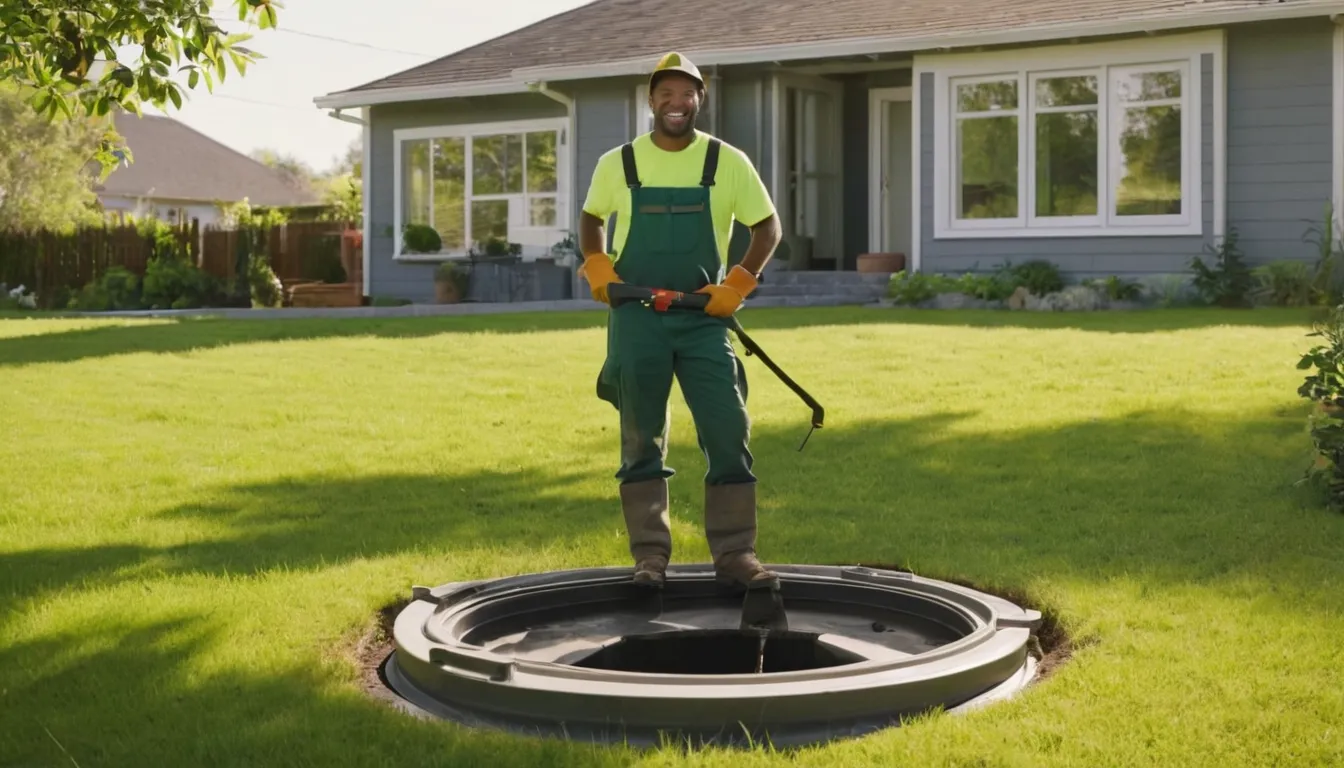
A lot of homeowners think a septic problem means a torn-up yard and a huge bill. In practice, many repairs are smaller. A broken baffle, a stuck float or a blocked line can cause the same symptoms as a failed drainfield.
Deleteelizabeth Septic is a referral service. We connect homeowners in Cahokia Heights and the Cahokia Heights area with independent providers in our network. The provider inspects, explains the cause and does the work. This page covers the warning signs, the common repairs, the typical costs and the questions to ask. Options before work, and ask for it written.
Septic Trouble Signs: Act Early
A lot of people think a septic system will shout when it fails. In practice, it often whispers first. Watch for these:
- Drains that gurgle or run slowly in more than one spot
- Sewage smells indoors or near the tank lid
- Wet, spongy or extra-green ground over the drainfield
- Toilets that back up after a normal flush
One sign is worth a look. Two or more together mean it is time to talk to a provider.
Myth: Slow Drains Are Just a Clog
A single slow sink can be a clog. When the tub, toilet and washer all slow down together, the trouble is usually past the house, in the tank, the pipes or the drainfield. A plunger will not fix that.
Sewage Backup or Pooling Water
If sewage rises in a floor drain or pools in the yard, stop using water. Skip laundry, dishes and showers. Keep kids and pets off wet ground. Then reach out to a provider.
Emergency Septic Cleaning Comes First
Sometimes a full tank is the first thing to solve. Emergency septic cleaning clears the backup so the provider can see what is going on. But pumping is not a repair. If the problem returns in days or weeks, something is broken.
Many providers can respond quickly, but availability varies. Request a callback to check provider availability in your area.
Common Septic System Problems
Most repairs fall into a few groups.
Broken Baffles and Cracked Tanks
Baffles guide the flow inside the tank. When one breaks, solids slip into the drainfield pipes. Cracks let water leak out, or let groundwater leak in.
Failed Pumps, Floats and Alarms
Some systems use a pump chamber with a float switch. A stuck float can set off an alarm or flood the chamber. These parts are often a modest fix.
Roots and Crushed Pipes
Tree roots find the moisture in the lines. Heavy trucks and deep frost can shift or crush the pipes between the house and the tank.
Drainfield Repair and Replacement
The drainfield is where treated water finishes its trip through the soil. Drainfield repair might mean clearing clogged lines, fixing a broken distribution box, or resting part of the field. Sometimes one section is replaced. Soil tests and local permits often come into play, so ask the provider to explain each step.
Myth: A Failed Drainfield Means a Whole New System
Not always. Many people hear the word drainfield and picture the whole yard dug up. In practice, the cause may be a blocked outlet pipe, a dirty tank filter or one damaged line. A good provider finds the cause before suggesting the biggest option.
Repair or Replace?
Think of it as three paths:
- Repair: one failed part, a sound tank and a field that still drains
- Partial replacement: a damaged tank or one bad section of the field
- Full replacement: widespread failure, very old parts, or soil that stays soaked
Age matters, but condition matters more. Ask for the reasons behind any suggestion.
How Septic Repair Works
Most jobs follow a steady path. The provider asks about symptoms, then checks the tank, lids, pipes and field. A camera or dye test may help. You get a diagnosis and a set of options. Ask for it written. After you approve, the work is scheduled, permits are filed if needed, and the repair is done and tested.
Weather and Your System
Cold winters with deep frost can freeze shallow pipes and tank lids. Spring flooding can soak the soil so the field cannot take more water. Severe thunderstorms and hail can knock out power to a pump. Hot, humid summers bring more laundry and more guests.
If your basement has a sump pump, ask where it drains. Sump water should not run into the septic system. Extra water can overload it fast.
Water Well Service Near a Septic Field
If your home uses a private well, tell the provider. Water well service may be worth scheduling if a failing septic system sits close to the well. Cloudy water, a odd taste or a strange smell are reasons to get the water tested. Do not drink water you doubt.
Insurance and Paperwork
Some policies may cover sudden damage, so check your policy. Wear and tear is often excluded. Providers can often help document damage for a claim. Keep photos, notes and every written quote.
Protecting Your System After a Repair
- Spread laundry across the week
- Flush only toilet paper and human waste
- Keep cars, sheds and decks off the drainfield
- Point gutters and sump discharge away from the field
- Follow the pumping schedule the provider suggests
- Keep records of every visit
Questions to Ask the Provider
- What caused the problem, and how do you know?
- Is this a repair, a partial replacement or a full one?
- What does the quote include, and what could change it?
- Are permits and inspections part of the price?
- What written warranty comes with parts and labor?
Request a callback to talk through your situation and check provider availability.
What's Included
Tank Repairs
Fixes for cracked tanks, broken baffles, damaged lids and worn filters that let solids escape.
Pipes and Baffles
Repairs for root-clogged or shifted lines between the house and the tank.
Drainfield Repair or Replacement
Clearing lines, fixing distribution boxes, or replacing failed field sections.
Camera Inspections
A look inside pipes to find the real cause before work starts.
What Septic Repairs Typically Cost
Septic repair prices vary a lot by job. Tank size, soil, depth, access and local permits all matter. These are typical U.S. ranges. Always get a written quote before work starts.
| Item | Typical range | Notes |
|---|---|---|
| Inspection or camera check | $150 – $650 | Helps find the cause first |
| Baffle or filter repair | $250 – $900 | Often a smaller fix |
| Pump or float replacement | $500 – $2,000 | Depends on the pump type |
| Distribution box or pipe repair | $500 – $2,500 | Digging depth affects price |
| Drainfield repair | $2,000 – $10,000 | Soil and field size matter |
| Full system replacement | $5,000 – $25,000+ | Permits and design add cost |
How It Works
Describe the Problem
Request a callback or send a request. Share the symptoms, such as backups, smells or soggy ground.
Compare Options
A local provider explains what repairs may fit your system.
Review a Written Quote
Ask for the scope, parts, permits and possible extra costs in writing.
Approve and Schedule Work
Pick the option you want. The provider schedules and completes the repair.
Why Call Deleteelizabeth Septic
Know Your Options First
Learn what repair, partial replacement and full replacement mean before anyone starts digging.
Local Providers
Get connected with independent septic providers in the network that serve your part of the area.
Plain Answers
Myths are cleared up in simple words, so you can ask better questions.
No Obligation
Requesting an estimate does not commit you to any provider or job.
Other Services
Need septic system repair in Cahokia Heights?
Have a septic or sewer problem in Cahokia Heights? Request a callback to check provider availability, or send a request and a local provider will follow up.
No obligationSeptic System Repair FAQ
How do I know if my septic system needs repair or just pumping?
Pumping fixes a full tank. If backups or soggy ground return soon after pumping, a part is likely broken. A provider can inspect the tank, pipes and drainfield to find the real cause.
Can a septic drainfield be repaired without replacing it?
Often, yes. Clogged lines, damaged pipes or a bad distribution box can sometimes be fixed. Widespread failure may need replacement. Ask the provider to explain why in writing.
Does homeowners insurance pay for septic repairs?
Some policies may cover sudden damage, but wear and tear is often excluded. Check your policy. Providers can often help document the damage for a claim.
Tell us what happened
Have a septic or sewer problem in Cahokia Heights? Request a callback to check provider availability, or send a request and a local provider will follow up.
No obligation